Unlock the Mystery of Effective Curtain Cleaning
Unlock the Mystery of Effective Curtain Cleaning
Curtains do more than add style to your living space. They help insulate home interiors, block out unwanted light, and trap dust, pollen, and other allergens. Yet, when it comes to curtain cleaning, many homeowners find themselves mystified by the best approaches for maintaining their curtains' beauty and longevity. In this comprehensive guide, we will unlock the mystery of effective curtain cleaning, offering step-by-step solutions, insider tips, and expert strategies for keeping your drapes fresh, bright, and hygienic.

Why Is Curtain Cleaning Important?
Curtains and drapes act as silent guardians of indoor air quality. Over time, they absorb odors, attract dust, develop stains, and can even become breeding grounds for bacteria or mold if not cleaned regularly. Failing to address curtain cleanliness can result in:
- Allergen buildup leading to respiratory issues
- Persistent unpleasant odors
- Visible staining and discoloration
- Shortened curtain lifespan due to fabric deterioration
By engaging in routine, effective curtain cleaning, you not only enhance your home's appearance but also promote a healthier, fresher environment for your family.
Understanding Different Curtain Fabrics and Cleaning Needs
The fabric of your curtains plays a decisive role in how you should clean them. One size does not fit all! Knowing the material ensures you don't accidentally damage delicate fibers or set stubborn stains. Here are some common curtain materials and their basic cleaning guidelines:
- Cotton or Polyester Blends: Durable, often machine-washable, easy to maintain.
- Velvet Curtains: Need gentle care; often require vacuuming and professional dry cleaning.
- Linen Drapes: Prefer cool, hand-wash or delicate cycles; may shrink if washed incorrectly.
- Silk Curtains: Delicate and prone to water spots; professional cleaning recommended.
- Sheer and Lace Panels: Fragile; best washed by hand or in a mesh laundry bag on the gentlest cycle.
Check the Manufacturer's Label
Before washing your curtains, always read the care label. This holds essential information about the recommended washing method and temperature, along with any warnings against bleach or tumble drying. Ignoring these instructions can lead to irreversible damage or fabric shrinkage.
Effective Curtain Cleaning: Step-by-Step Guide
1. Gather Your Curtain Cleaning Supplies
- Vacuum with upholstery attachment
- Mild laundry detergent
- Soft-bristled brush
- Bucket or basin (for hand washing)
- Stain remover (optional and fabric-safe)
- Microfiber cloth for drying
2. Dust and Vacuum Regularly
Before deep cleaning, start by removing dust and loose dirt. Use a vacuum with a soft brush attachment to go over the curtain panels from top to bottom. For best results, vacuum both the front and back, paying extra attention to pleats and folds where dust tends to accumulate.
3. Spot Cleaning for Stains
Not all stains require full washing. For small spots:
- Apply a mild stain remover or a bit of diluted detergent directly to the mark.
- Use a clean, damp microfiber cloth or a soft brush to gently blot (not rub) the area.
- Test cleaners on an unseen area first to ensure colorfastness.
If the stain persists after gentle treatment, it may be time for deeper cleaning.
4. Machine Washing Curtains
- Remove all hardware (hooks, rings, weights) from your curtains.
- Use the gentlest or delicate cycle, with cold water to prevent shrinkage or color fading.
- Choose a mild, fragrance-free detergent.
- Never overload the washing machine - wash curtains in small batches if needed.
- After the cycle, shake the curtain out to remove wrinkles before hanging to dry.
5. Hand Washing Curtains
Fragile fabrics like silk, lace, or vintage drapes require delicate hand washing:
- Fill a basin with lukewarm water and add a splash of gentle detergent.
- Swirl the curtain gently in the water--do not wring or twist.
- Rinse thoroughly in cool water until all soap is removed.
- Press out excess water by laying the fabric flat between clean towels.
- Hang to air dry away from direct sunlight.
6. Steam Cleaning Curtains
A steam cleaner is a powerful tool for effective curtain cleaning without removal:
- Use a handheld steam cleaner with an upholstery attachment.
- Move the steam head vertically across the curtain surface, starting at the top.
- Allow curtains to dry naturally with proper ventilation.
Steam cleaning is especially useful for heavy, hard-to-remove drapes and eliminates both dirt and germs.
7. Dry Cleaning Curtains
Some curtain fabrics, like silk or heavy velvets, are labeled "dry clean only." If in doubt, always consult a professional curtain cleaning service. Attempting to wash such fabrics at home may result in fabric distortion or permanent damage.
Effective Curtain Cleaning Solutions for Specific Problems
Removing Odors
- Air out curtains in sunlight for several hours to neutralize odors.
- Use baking soda on washable materials: sprinkle, leave for 15 minutes, vacuum off before cleaning.
- Include a cup of white vinegar in the rinse cycle (never mix vinegar and bleach).
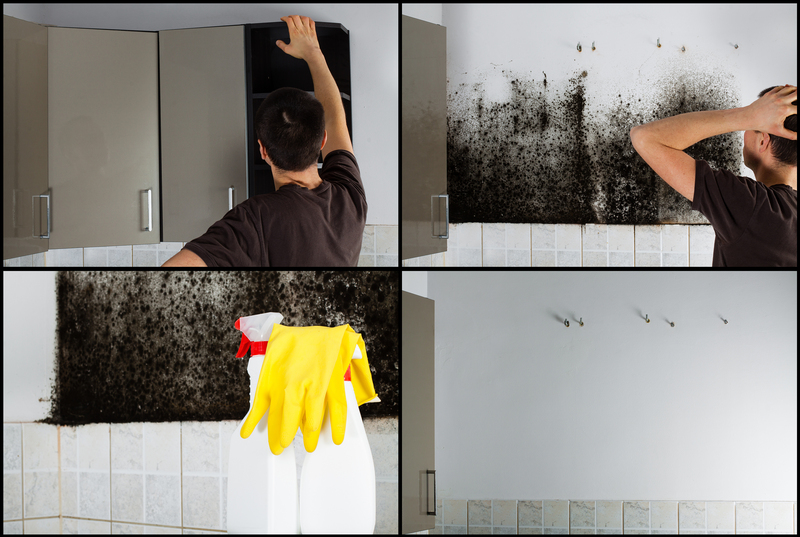
Mold and Mildew: The Hidden Threat
Damp curtains, especially in bathrooms or kitchens, can develop mold and mildew:
- Wash with a mixture of hot water and a small amount of vinegar.
- Dry in full sunlight, which acts as a natural mildew inhibitor.
- For stubborn growth, professional curtain cleaning might be necessary.
Dust Mites and Allergens
- Wash curtains monthly during allergy season for homes with asthma or allergies.
- Regular vacuuming is essential for preventing buildup of dust mites.
- Curtain steam cleaning can kill dust mites and remove other indoor allergens.
How Often Should You Clean Your Curtains?
Frequency depends on the environment in which you live and the curtain's location within your home. Here are general guidelines:
- In high-traffic, dusty, or smoke-exposed areas: Vacuum weekly, deep clean every 3-4 months.
- For allergy sufferers: Wash or steam clean every 1-2 months.
- Bathrooms or kitchens: Inspect for moisture and mold every 2-4 weeks.
- Other rooms: Deep clean every 6-12 months or as needed.
Pro Tips for Maintaining Curtain Freshness
- Shake curtains regularly to prevent dust buildup.
- Open windows to circulate fresh air and reduce odor retention.
- Use fabric sprays (ensure they're curtain-safe) for a fresh, clean aroma.
- Repair loose hems and seams quickly to prolong curtain life.
- Rotate or swap curtains between rooms occasionally to maximize use and minimize soiling.
Professional Curtain Cleaning vs. DIY: Which Is Better?
While most homeowners can manage effective curtain cleaning for standard materials, certain situations call for professional help:
- Large or extra-heavy drapes that are difficult to remove and rehang.
- Specialty materials like silk, brocade, or antique fabrics.
- Persistent odors, mold, or stains that household methods can't remove.
- Regular curtain cleaning for busy families or commercial spaces.
Professional curtain cleaning uses advanced equipment, safe solvents, and expert care--ensuring your investment is protected and your window treatments look their best.
Frequently Asked Questions About Curtain Cleaning
Can I put blackout curtains in the washing machine?
Usually, no. Blackout linings can be damaged by machine washing. Always check labels and consider spot cleaning or professional curtain cleaning services for these types of window coverings.
Will frequent washing fade curtain colors?
It's possible. To minimize fading:
- Use cold or cool water cycles.
- Opt for gentle, color-safe detergent.
- Dry curtains indoors or in shady spots away from direct sunlight.
Is steam cleaning safe for all curtains?
Most durable fabrics can be steam cleaned, but delicate materials like silk may be damaged by heat and moisture. Spot test first or consult your curtain manufacturer's guidelines.
How do I prevent mold on bathroom curtains?
Ensure good ventilation, leave curtains slightly open after use to dry, and wash regularly using an anti-fungal rinse.
Conclusion: Master the Art of Effective Curtain Cleaning
Unlocking the mystery of effective curtain cleaning is easier than you may think. With the right knowledge, products, and techniques, your window treatments will stay fresh, clean, and vibrant for years to come. Whether you choose to tackle the job yourself or rely on expert curtain cleaning professionals, regular care will safeguard your family's health and protect your investment.
Remember, clean curtains create a cleaner home. Incorporate these tips into your routine to unveil a brighter, healthier living space--one panel at a time.