Keep Your Window Sills Pristine: Remove Mould Efficiently
When it comes to home maintenance, we often overlook window sills, assuming they require little more than an occasional wipe-down. However, window sills are particularly prone to mould growth due to their constant exposure to condensation and moisture. Learning how to remove mould from window sills efficiently not only maintains your home's aesthetic appeal but also safeguards your family's health. If you're ready to keep your window sills pristine and prevent mould from returning, this comprehensive guide is for you.
Why Mould Grows On Window Sills
Window sills are natural hotspots for mould and mildew, especially in areas with high humidity or poor ventilation. Understanding the root causes helps you target remediation and prevention efforts.
- Condensation: Temperature differences between the indoors and outdoors lead to water droplets forming on glass and sills, providing an ideal environment for mould.
- Poor airflow: Limited ventilation in certain rooms (like bathrooms or basements) means moisture doesn't evaporate quickly, fostering mould growth.
- Dust and organic matter: Dust, dead skin cells, and pollen accumulations serve as a food source for mould spores.
- Leaking windows: Ineffective seals or old frames allow rainwater to seep in, maintaining damp conditions.
Health Risks Associated with Mouldy Window Sills
Beyond the unsightly black, green, or grey spots, mould on window sills can negatively impact indoor air quality. Individuals with allergies, asthma, or compromised immune systems are particularly susceptible. Exposure to mould spores can cause respiratory issues, skin irritation, and allergic reactions. Prolonged exposure may also result in more serious health complications. It's crucial to tackle mildew on window sills promptly to protect your family's wellbeing.
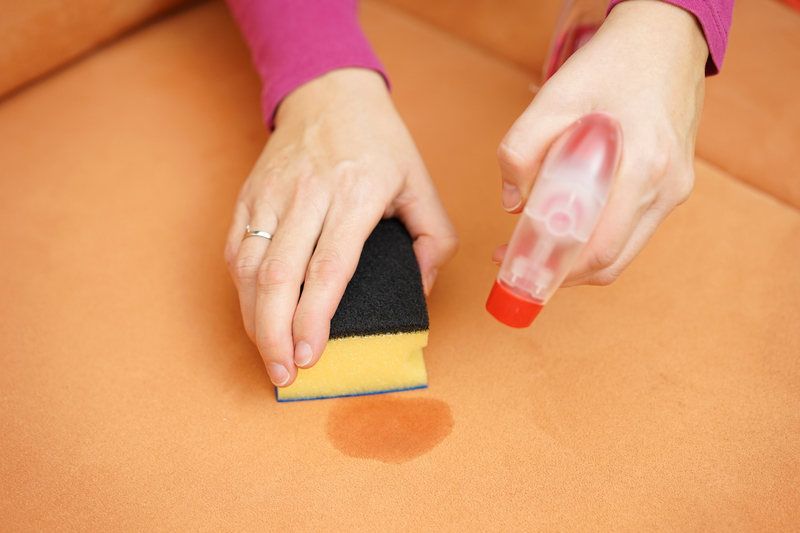
How to Remove Mould from Window Sills: Step-by-Step Guide
Essential Safety Precautions
- Wear protective gloves, a mask, and safety goggles to avoid direct contact with mould spores.
- Open windows or doors to ensure the area is well-ventilated.
- If the infestation covers a large area, or if the mould keeps returning, consider consulting a professional mould removal service.
Gather Your Cleaning Supplies
Cleaning products for removing mould from window sills can be store-bought or homemade. For most cases, the following items will suffice:
- White vinegar or hydrogen peroxide (natural and effective antifungals)
- Baking soda (for added scrubbing power and deodorizing)
- Mild detergent or soap
- Non-abrasive scrubbing brush or old toothbrush
- Clean microfiber or absorbent cloths
- Spray bottle
- Disposable paper towels
Step 1: Remove Dust and Debris
Before tackling the mould directly, thoroughly vacuum or wipe the window sill to remove surface dust, cobwebs, or loose debris. This step prevents particles from becoming airborne during scrubbing.
Step 2: Apply a Mould Cleaning Solution
There are several effective solutions for cleaning mould off window sills:
- White vinegar: Pour undiluted white vinegar into a spray bottle. Mist the affected areas generously and let it sit for at least 30-60 minutes. Vinegar's acidity breaks down most types of mould and inhibits regrowth.
- Hydrogen peroxide: Use 3% hydrogen peroxide in a spray bottle. Spray the mouldy area and allow it to sit for 10-15 minutes. Hydrogen peroxide destroys mould spores on contact.
- Baking soda solution: Dissolve one teaspoon of baking soda in two cups of water. Spray, then scrub gently with a brush. Baking soda acts as a mild abrasive and deodorizer.
- Commercial mould cleaner: If you opt for a store-bought cleaner, always follow the product label instructions and ensure the room is ventilated.
Step 3: Scrub the Window Sill
Using a non-abrasive brush or old toothbrush, gently scrub the affected surfaces. Be careful not to damage wooden or painted finishes. Work the cleaning solution into the mouldy spots to fully lift stains and embedded spores.
Step 4: Wipe Down and Dry
Wipe the cleaned area with a clean, damp cloth to remove residual cleaning agents and loosened mould. Immediately follow with a dry cloth or disposable paper towels to absorb remaining moisture--moisture is mould's biggest ally!
Step 5: Repeat if Necessary
Stubborn stains or deep-seated mould in window frames or sills may require a second application. Remember, patience leads to better results and a cleaner, safer home environment.
Preventing Mould from Returning to Your Window Sills
Once you've thoroughly cleaned your window sills, prevention becomes the key to keeping them pristine. Luckily, a few simple practices go a long way:
- Improve ventilation: Open windows regularly to promote air exchange, especially in kitchens, bathrooms, and laundry rooms.
- Repair window leaks and drafts: Check seals and caulking around your windows. Reseal or replace damaged components to stop rainwater and condensation from accumulating.
- Use a dehumidifier: In humid environments, keep relative humidity below 50% to minimize mould growth.
- Wipe down condensation: After storms or cool nights, soak up excess moisture from windows and sills with a towel.
- Clean routinely: Regular dusting, vacuuming, and inspection prevents organic material and moisture from making your sills a mould haven.
- Consider anti-mould paint: For wooden window sills, treat the area with an anti-fungal paint or sealant after cleaning.
DIY vs. Professional Mould Removal
While most cases of mould on window sills can be safely tackled with household solutions, there are circumstances where professional remediation is necessary:
- The mould infestation covers a large area (typically more than one square meter).
- Mould keeps coming back despite thorough cleaning and preventative steps.
- The affected area is hard to reach (behind wall cavities, beneath the sill, or inside double glazing).
- You or your family members have pre-existing health conditions sensitive to mould exposure.
*When in doubt, consult a certified mould specialist for a safe, thorough assessment!*
Types of Window Sill Materials and Mould Removal Tips
Understanding your specific window sill material is crucial, as cleaning techniques vary:
- Wooden window sills: Avoid excessive moisture; scrub gently and dry thoroughly. Consider resealing with anti-mould paint.
- UPVC or vinyl sills: More resistant to water, but still clean and dry promptly to prevent grime accumulation and staining.
- Stone or concrete sills: Use mild solutions to prevent etching or discoloration; avoid harsh chemicals.
- Painted surfaces: Test cleaning solution in an inconspicuous area to prevent paint damage or peeling.
Natural Remedies for Removing Mould from Window Sills
For those seeking environmentally-friendly cleaning solutions, several natural methods work wonders:
- Tea tree oil: Mix a teaspoon of tea tree oil with two cups of water in a spray bottle. Spray, wait an hour, then wipe down.
- Lemon juice: Combine with baking soda forms an effective and pleasantly scented paste.
- Grapefruit seed extract: Few drops in a cup of water acts as an effective mould deterrent. Leaves no residue.

Frequently Asked Questions Regarding Mould Removal from Window Sills
How often should I clean my window sills to prevent mould?
Ideally, conduct a monthly cleaning and inspection of window sills, especially in damp or high-condensation areas. Increase frequency during rainy or humid seasons.
Is bleach effective for cleaning window sill mould?
While bleach can kill surface mould, it isn't always the best option for removing mould from porous materials (like wood). Bleach might not reach embedded spores and can cause discoloration.
Can mould on window sills cause structural damage?
Over time, severe mould infestations can weaken wooden sills, cause rot, and compromise window frames. Early intervention is crucial!
Summary: Best Practices for Pristine, Mould-Free Window Sills
- Identify early signs of mould and take prompt, thorough action.
- Use appropriate cleaning solutions for your specific window sill material.
- Prioritize ventilation, humidity control, and routine cleaning to prevent recurrence.
- Seek professional help for large, persistent, or hidden infestations.
Maintaining pristine, mould-free window sills is entirely within your reach with the right knowledge and consistent effort. Protect your home's beauty and your family's health by tackling mildew on window sills before it escalates. Not only will your windows look sparkling clean, but you'll also create a fresher, safer indoor environment for everyone to enjoy.
By following these comprehensive tips and actionable steps, you'll master the art of efficiently removing and preventing mould from your window sills - keeping your home cleaner and healthier for years to come.